A citizen science project to document nudibranch diversity in Dahab
Every year around March, something strange and magical happens in Dahab.
While much of the diving world flocks to warmer waters, the locals remain – patiently circling their home reefs as they await the burst of life that seasonally accompanies cooler waters. Soon, sites like Mashraba become covered in thick, vibrant algae – red, green, yellow, hairy, fluffy, slick.
A surreal underwater landscape takes shape.
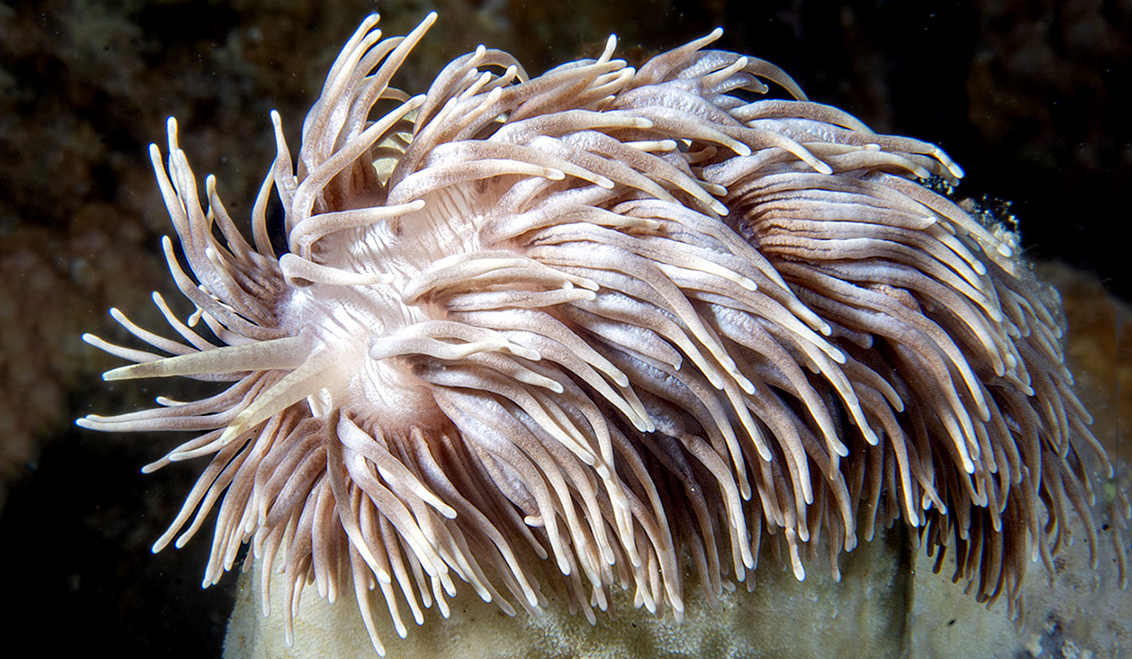
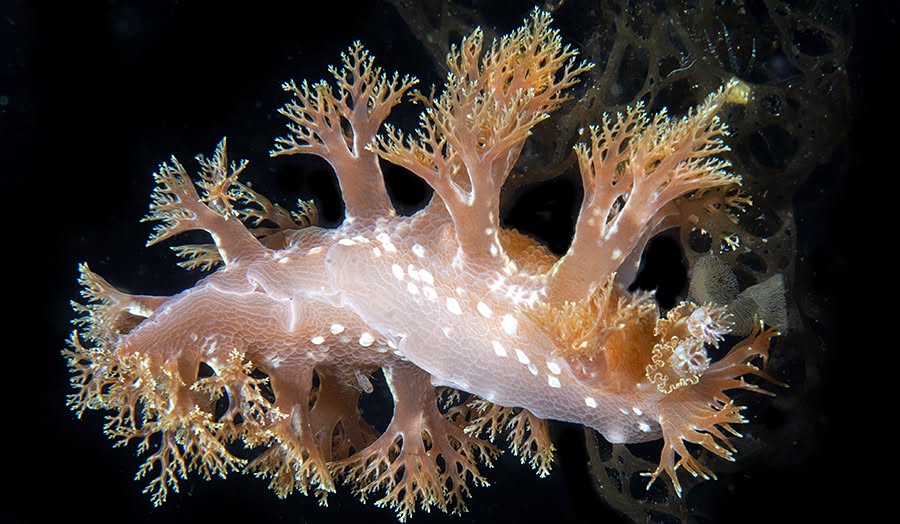
It doesn’t just look cool, it functions as a buffet and breeding ground for an army of invertebrates: nudibranchs, flatworms, sea slugs, shrimps, and other fascinating critters. They feed, mate, lay eggs, and create short-lived micro-ecosystems unlike anything you’ve ever seen.
Diving at night from the shore – just a few fin kicks from the landmark Mashraba bridge – can bring you face to face with dozens, even hundreds, of marine wonders. Among the familiar sea hares (we’ve counted hundreds on a single dive – no exaggeration), you may also spot rare seasonal visitors that never show up the rest of the year.
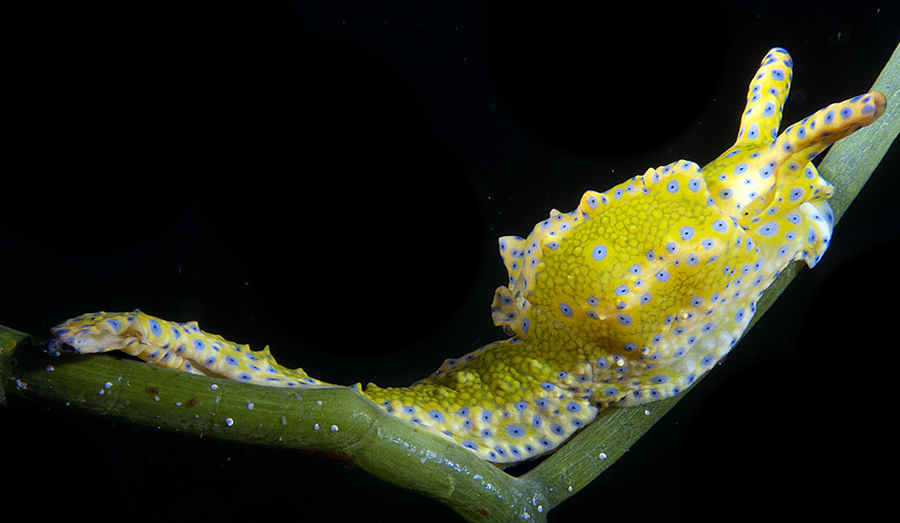
Then, one unfortunate day in May, it’s over. The algae vanishes. The slugs are gone. Most of the adults likely die off, leaving behind thousands of eggs waiting to hatch when conditions become favorable again.
This fleeting phenomenon happens like clockwork every year – and we thought it was time someone paid proper attention.
🐌 What’s the Sea Slug Census?
It’s a citizen science project led by us, Andrey Ryanskiy and Irina Khlopunova – passionate nudibranch nerds, underwater photographers, and long-time Red Sea divers.
Our goal is to document and map the incredible diversity of nudibranchs and sea slugs in Dahab. Together with divers, photographers, and sharp-eyed spotters, we’ll create a regional database of what appears where and when.

All observations will be uploaded to iNaturalist, an open platform used by citizen scientists and marine biologists around the world. Identifications will be confirmed by the community and sometimes, we may even discover something new.
🤿 Who can join?
If you’re a certified Advanced Open Water diver or above, curious about nudibranchs or just love spotting the small stuff – we’d love to have you on board. You don’t need to be a marine biologist or a professional photographer.
We welcome:
- Divers with any camera setup (from GoPro to full macro rig)
- Sharp-eyed spotters — especially if you’re used to finding the tiny things
- Anyone who wants to contribute to marine knowledge and explore a side of the Red Sea most people never see
📍 Where & when?
Location: Dahab, Egypt
Dates: March 28 – April 4, 2026
💰 Is there a fee?
Nope. There’s no event fee. Just cover your usual diving and accommodation costs – no hidden extras.
This is not a commercial trip. It’s about curiosity, contribution, and community.
📩 How to join?
Email info@scubaseekers.com and tell us you want to be part of the Sea Slug Census.
We’ll help coordinate your diving, gear, accommodation, and anything else you need.
Let’s map the nudibranchs of Dahab — one dive at a time 🐌📍
Join us this spring in Dahab!
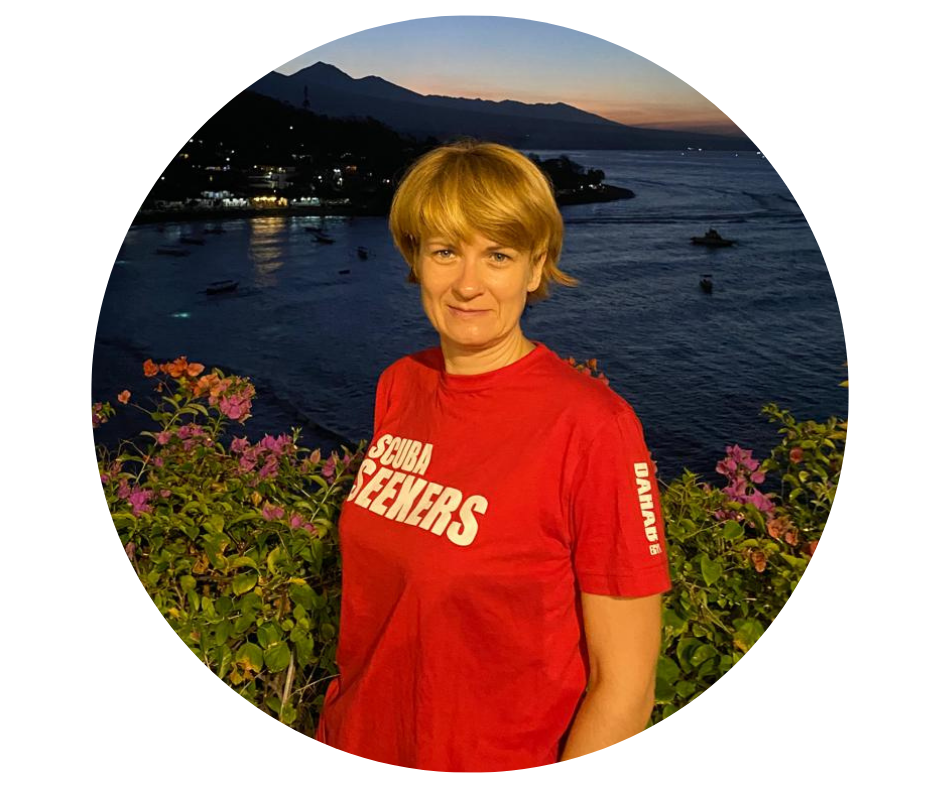
Irina took her first dive in 2003 and has never really surfaced since. An underwater photographer and videographer, she has made more than two thousand dives across Indonesia, the Philippines, the Maldives, and the Red Sea. For the past few years Irina has lived in Sharm El Sheikh with her husband, marine life photographer, and book author Andrey Ryanskiy. Together they explore and film the Red Sea’s hidden macro world – from tiny nudibranchs to rare fish never before recorded in the region. When she’s not under water, Irina runs the social media for Scuba Seekers and helps others discover the small wonders that make diving in Dahab and the Red Sea so addictive in the Facebook group Red Sea Marine Life. You can also follow her and Andrey on Facebook here and here.