By Mahmoud Esmat
After a long day of diving, I was debriefing with a group of Divemaster trainees. As we finished, one of them approached me and said:
“Today, I didn’t really have a role. I was only observing. I felt of no use.”
I paused for a moment before asking her to think back through the day.
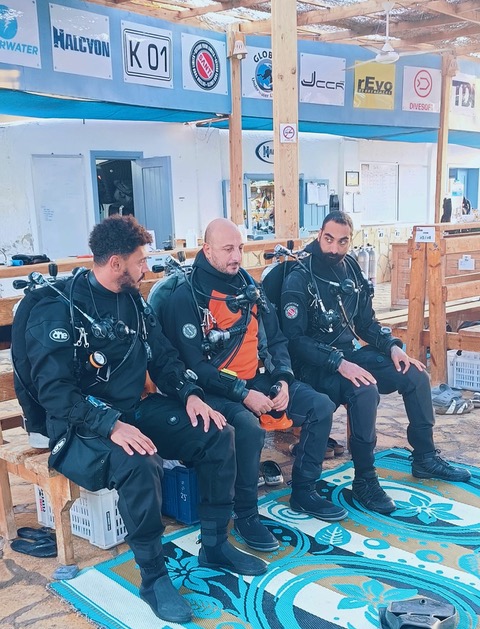
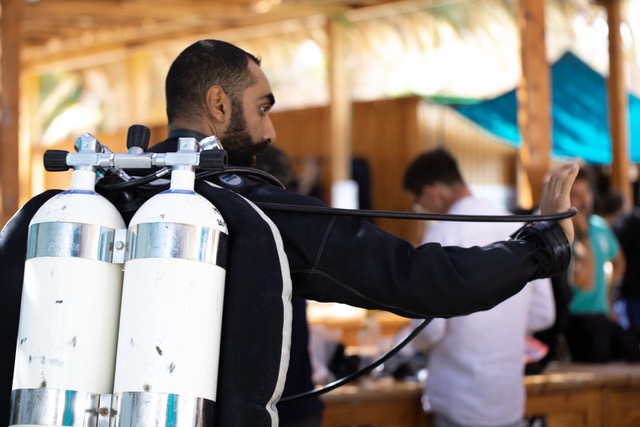
“You arrived early and helped prepare the equipment, tanks, medical kit and permissions. When the divers arrived, you were there to organise the flow and assist whenever needed. Remember the diver who struggled to calculate their maximum operating depth after analysing their gas? You helped them work it out.”
“Yes, I did.”
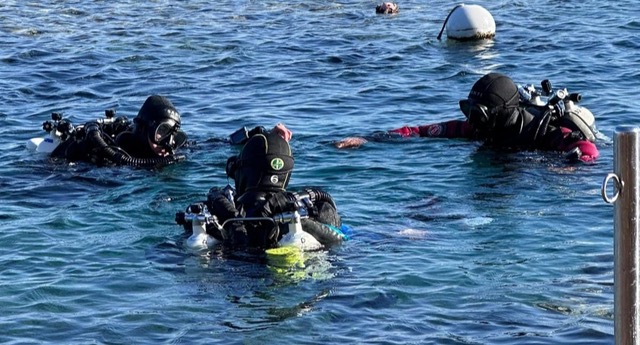
“During the dive, while your team led from the front, you stayed at the back of the group, keeping everyone together, helping a diver who was struggling with buoyancy, and making sure everyone exited safely.”
“Yes, I did that too.”
“And at the end of the day, one of the divers complimented your diving technique and attitude in the water. You gave them constructive feedback on how to become a better diver.”
“Right.”
I smiled.
“Today, while you’re still in training, you guided and supported others. You promoted safe practices above and below the water. You encouraged divers to improve, offered constructive feedback, and set a positive example through your actions.”
“Congratulations. That’s leadership.”
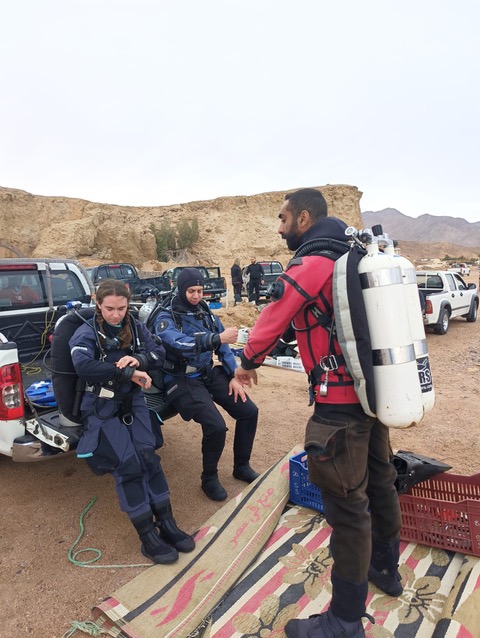
Too often, people associate leadership with a title—Divemaster, Instructor, Trainer or Manager. But leadership isn’t a certification or a position. It’s what you do every day.
At its core, leadership is about moving people towards a common goal in a positive direction, regardless of your role.
In diving, that leadership is often expressed through role modelling.
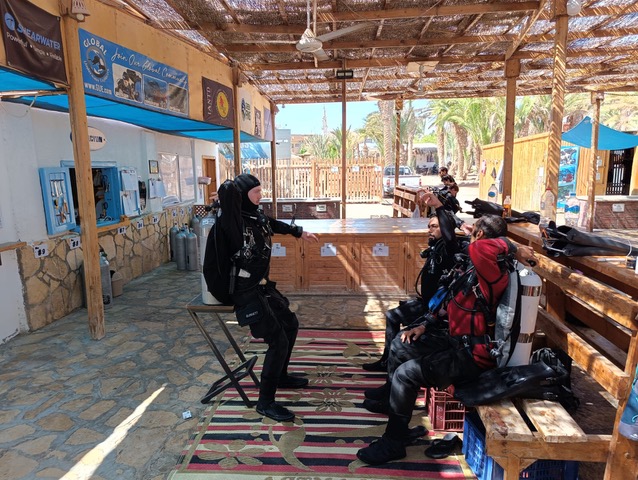
From the very first day of an Open Water course, students learn by watching. When something isn’t immediately clear, they observe. They notice how their instructor assembles equipment, demonstrates skills, communicates underwater and responds to different situations.
Learning doesn’t happen only through instruction.
It happens through observation.
Students copy what you do, not simply what you say.
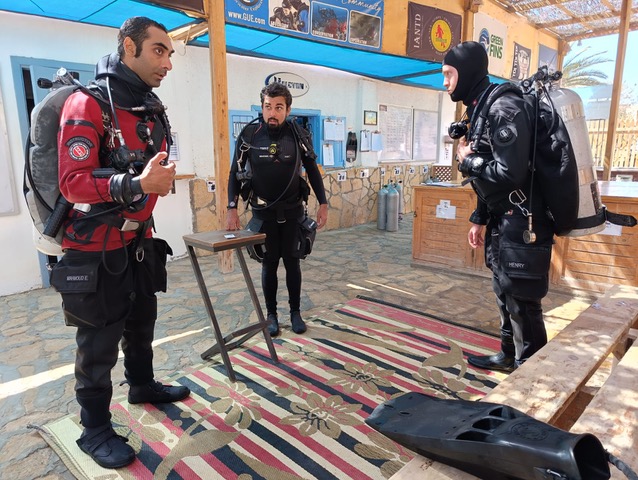
What’s even more interesting is that this doesn’t apply only to instructors. Psychologists describe something called informational social influence—our tendency to look to those around us, particularly people with more experience, to understand what is normal, acceptable and worth copying.
Usually, that’s a good thing.
But it also means poor habits can spread just as easily as good ones.
Skipping pre-dive checks. Exceeding gas or exposure limits. Drifting too far from a buddy. Neglecting equipment care after a dive. Small shortcuts can quickly become accepted behaviour simply because someone experienced did them first.
That’s why role modelling is one of the most powerful teaching tools we have.
Lead by example. Demonstrate professionalism, consistency and responsibility every time you dive.
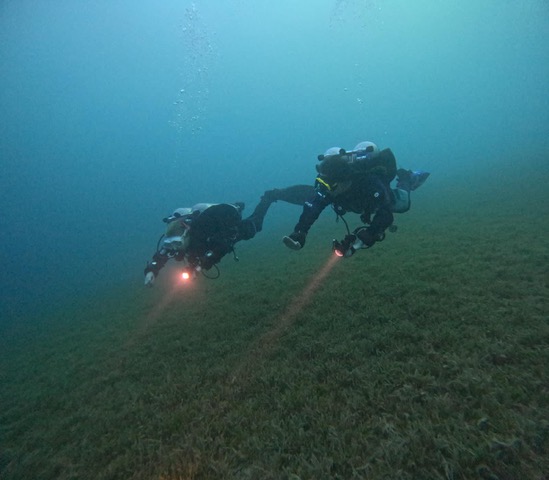
Strong role models create cultures built on safety, trust and accountability. They show that good diving isn’t about taking shortcuts—it’s about respect, discipline and doing the right thing, dive after dive.
And when divers see those behaviours consistently practised, they don’t just appreciate them.
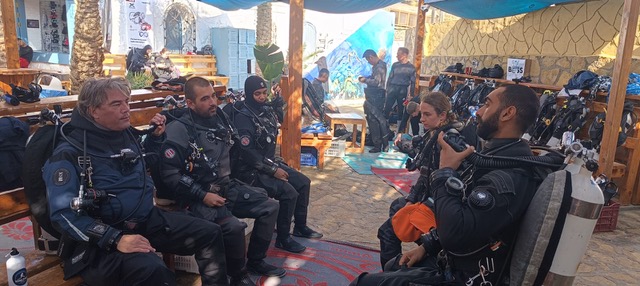
They carry them forward.
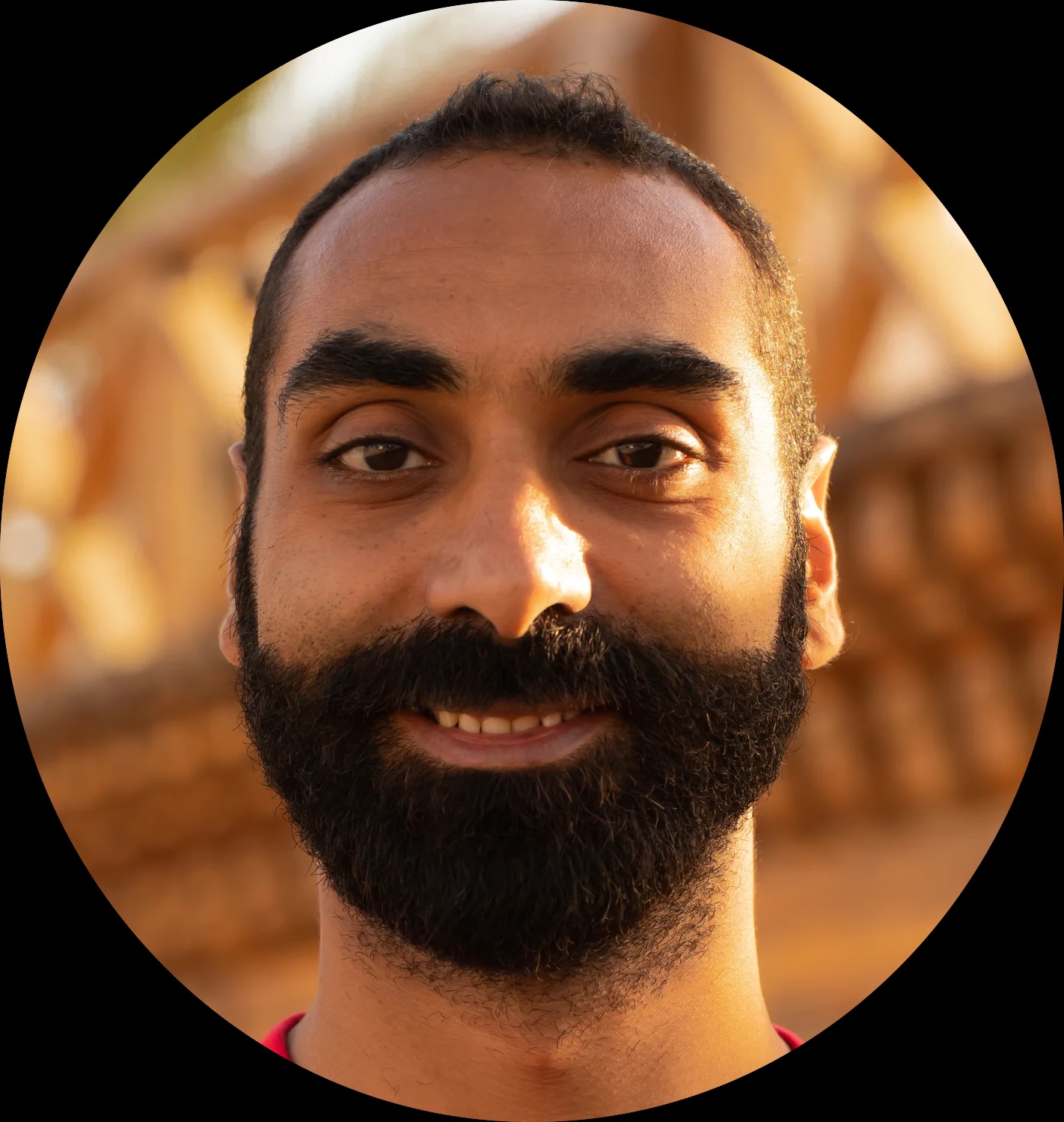
Mahmoud is a passionate diver and educator, with his key goal being to inspire new generations of divers to build a connection with the marine environment with the care and respect it deserves. He began his diving journey in the Red Sea in 2017 and began his journey as a GUE diver in 2019, being closely involved with the community ever since. The methodology, ethos, and values of GUE inspired him to become a GUE Instructor in 2023 and he has since taught GUE courses at Scuba Seekers with diligence, and a relentless commitment to its pedagogy and thesis.
Mahmoud has lived in Dahab and has worked with Scuba Seekers for over 8 years, specialising in open circuit recreational diving. He is well-known for his patience, kindness, and dedication to his students, his commitment to safety, and his technical expertise with equipment. He is a GUE CCR1 diver and a TDI rEvo Helitrox diver. You can follow his adventures on instagram: @mahmoudesmatt