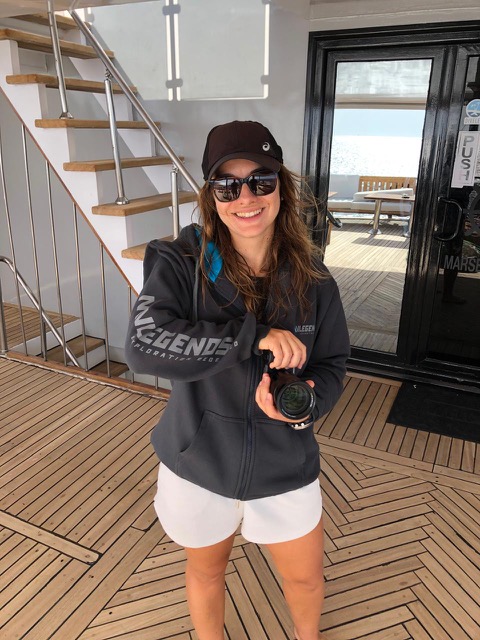
As an underwater photographer, I recently had the opportunity to join several trips aboard Marselia Star, the newest addition to Legends Liveaboards. While the boat specialises in technical diving, it also welcomes recreational divers like me.
Before stepping on board, I had only a vague idea of what technical diving actually involved.
The first thing that struck me was the equipment.
There was a gas blending station, multiple compressors, and cylinders everywhere – filled with carefully prepared mixtures of oxygen, helium and air. Every gas blend was planned, analysed and managed with incredible precision by the crew. Having only ever dived on Nitrox (enriched air), it felt like I’d stepped into an entirely different side of diving.
I remember wondering:
Why would anyone go through all of this?
The longer I spent on board, the more that question answered itself.
I realised technical diving isn’t simply about going deeper. It’s about expanding what’s possible underwater.
Every dive involved meticulous planning, multiple gases and carefully managed decompression. It was impossible not to notice the discipline, preparation and knowledge that went into every aspect of these dives.
One moment that really stayed with me was visiting the Rosalie Moller wreck.
Resting at around 47 metres, it’s a spectacular wreck that recreational divers can only glimpse from above before ascending to remain within safe no-decompression limits. Watching the technical divers continue their exploration while I headed shallower made me realise how much depth—and time—can determine what you’re able to experience underwater.
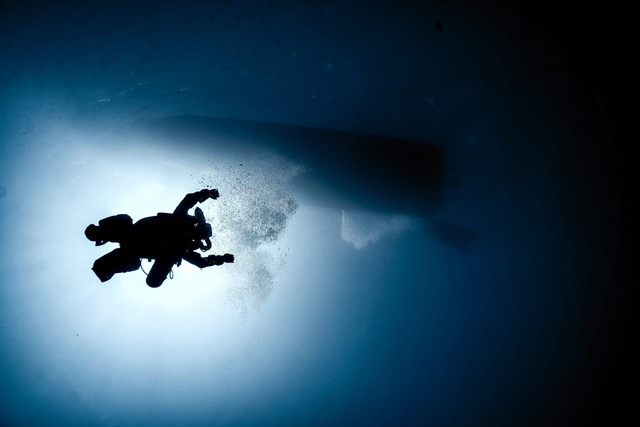
The same thought came back to me on the Thistlegorm.
Although the wreck lies within recreational diving limits, bottom time is still relatively short before reaching no-decompression limits. As a photographer, that often means choosing between ending the dive early or moving shallower, leaving less time to compose images and really settle into a scene.
It made me appreciate that technical diving isn’t only about accessing greater depths.
It’s also about having more time where it matters.
As someone who spends much of a dive behind a camera, that perspective was fascinating.
Another aspect that immediately caught my attention was Closed Circuit Rebreathers (CCR). Unlike open-circuit scuba, CCR systems recycle breathing gas rather than releasing bubbles with every breath. For underwater photography, that opens up exciting possibilities. Without the constant stream of bubbles, marine life often behaves more naturally, allowing closer, calmer encounters that can be incredibly rewarding to photograph.
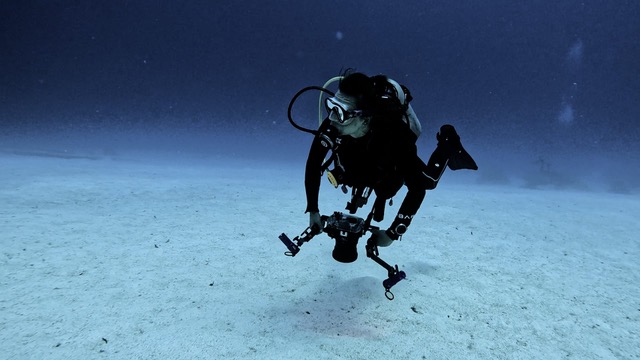
This experience aboard Legends completely changed my perspective on technical diving.
I no longer see it as simply a more complicated way to dive. Instead, I see it as a highly specialised discipline that opens doors to experiences that would otherwise remain out of reach.
As a recreational diver and underwater photographer, that glimpse into the technical world left me curious to learn more.