Dahab Sea Slug Census 2026: what happens when you finally slow down
Every year around March, we watch the same quiet transformation happen in Dahab.
Shallow reef areas especially Mashraba and Lighthouse get covered in thick algae in different colors, textures & shapes. It looks messy, but in reality it becomes a perfect temporary ecosystem.
And with it comes life.
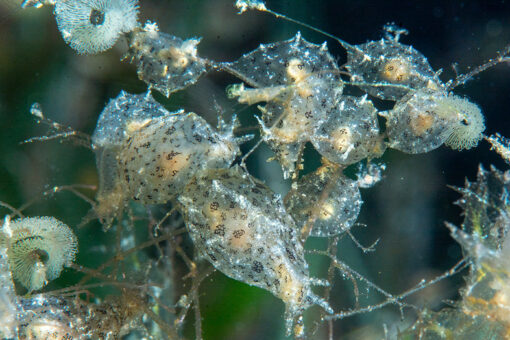
Suddenly, nudibranchs, sea slugs, flatworms, and countless tiny invertebrates appear everywhere. They feed, reproduce, lay eggs and for a short period, the reef becomes something completely different, most divers never notice it.
This year, we decided to change that.
What happens when you slow down
The idea behind the Dahab Sea Slug Census was simple:
stop rushing, start looking and document what’s really there.
During the week we:
- We stayed shallow
- We embraced night dives
- We searched carefully and patiently
- We photographed everything we found
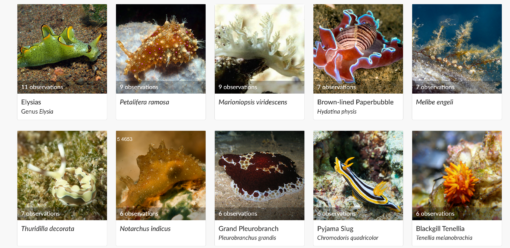
- And we shared our observations on iNaturalist
Every sighting mattered. Each one was recorded with a location, date, and the best possible identification.
It wasn’t about covering distance, it was about discovering details.
A small brief about who we are
This project was led by us Andrey Ryanskiy and Irina Khlopunova.
After years of diving in Dahab and photographing marine life, we made a conscious choice:
to stop chasing the “big stuff” and start appreciating the small.
Because sometimes, the smallest things tell the biggest stories.
The team
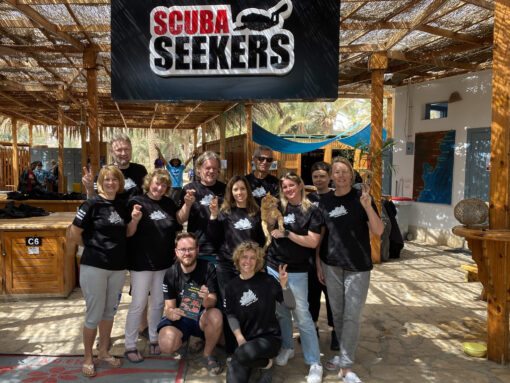
What started as an idea turned into a group of 8 people, each with different backgrounds and experience levels, but united by one thing:
curiosity.
Curiosity about nudibranchs.
Curiosity about the reef.
Curiosity to look closer.
And they showed up ready:
ready to slow down, to observe, to search and to truly see.
“Remember: after Dahab, is before Dahab.” – Jacob, Sea Slug Census participant
“I can’t agree more with Jacob!” – Lilian.
Where the magic happened
Some sites clearly stood out.
Most productive:
Lighthouse
Mashraba
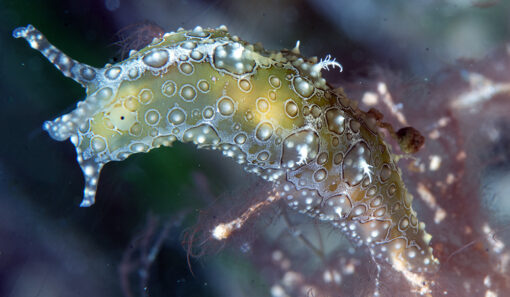
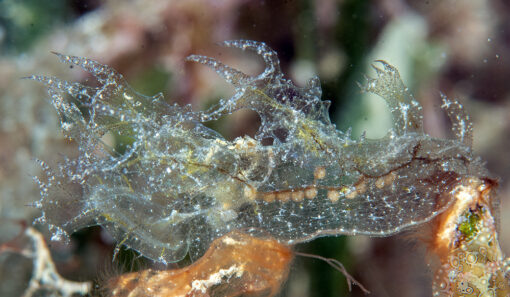
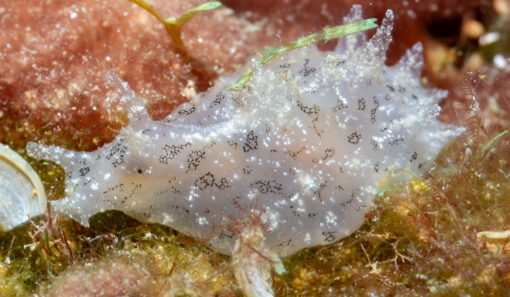
Night dives at Mashraba were on another level.
Grass completely covered in nudibranchs. Hundreds of animals. At some point, the challenge wasn’t finding them. It was finding something beyond the “big three” dominating the grass.
Also impressive:
- Caves
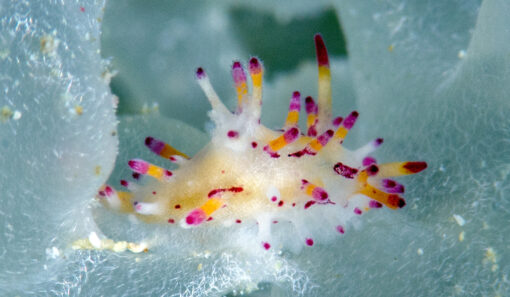
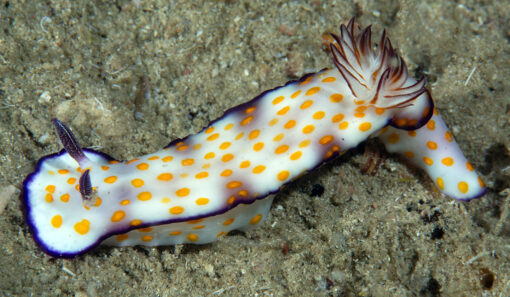
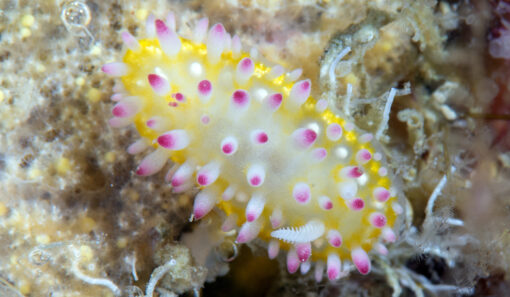
These were the dives where most of the key finds came from.
Lower numbers, but high expectations:
– Near Canyon & Coral Garden
– Golden Blocks
– Um Sid
These dives were quieter but that’s exactly where we found what many people were hoping for.
At Coral Garden / Canyon and Golden Blocks, we encountered three ghost nudibranchs.
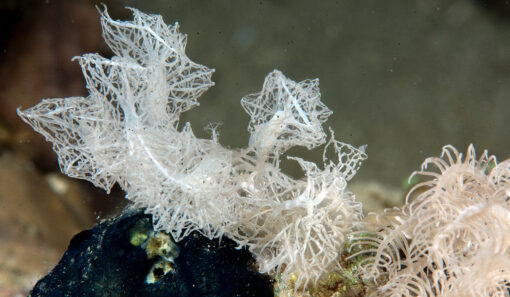
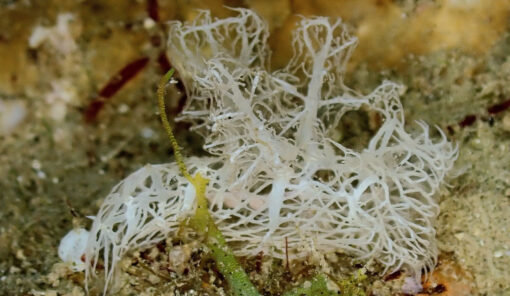
Not everything goes to plan
Of course, the sea always has the final say.
Strong winds and waves forced us to cancel three dives.
But even with those setbacks, we covered enough ground to see the bigger picture.
And it was worth it.
The result
By the end of the census, we recorded:
71 species
A number that honestly feels unreal for the Red Sea.
Even for us, there were species we had never seen here before.
“We came for the nudis, but being part of this group learning and laughing together was a great bonus.” – Astrid, Sea Slug Census participant.
“We came for the nudis, but being part of this group learning and laughing together was a great bonus.” – Astrid, Sea Slug Census participant.
Bonus encounters
It wasn’t only about sea slugs (even if they stole the show).
Along the way, we had some unforgettable encounters:
- seahorses: 3 sightings
- Frogfish: 2 sightings
Small surprises that made the experience even richer.
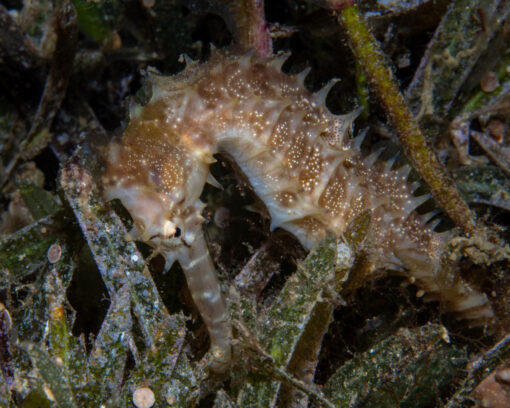
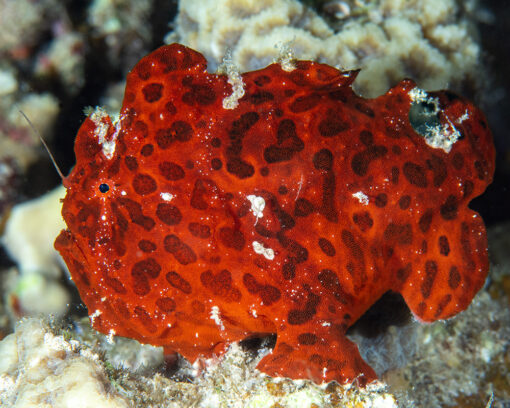
“I really enjoyed the week with you and all our little friends.” – Flavia, Sea Slug Census participant
What’s next
The next Dahab Sea Slug Census is scheduled for March 28 to April 3, 2027.
If you’re a marine biologist, underwater photographer, or simply a diver who wants to see more by slowing down you’re welcome to join.
Because sometimes, the most extraordinary discoveries happen when you stop searching for something big and start noticing what’s right in front of you.
All photos are by Andrey Ryanskiy, unless stated otherwise.
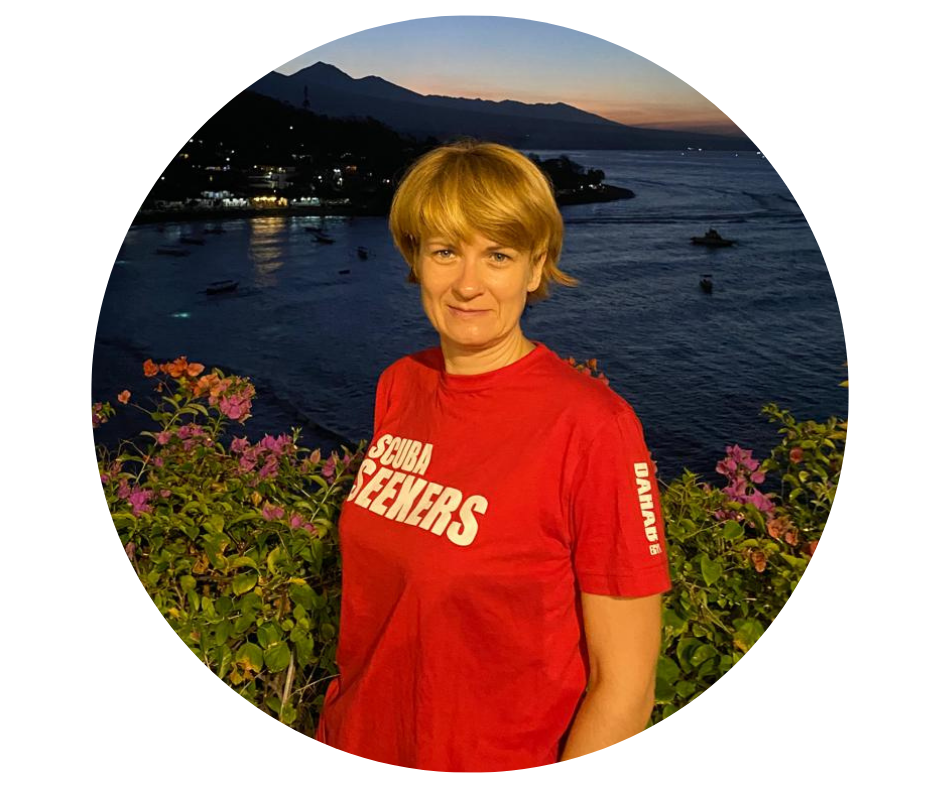
Irina took her first dive in 2003 and has never really surfaced since. An underwater photographer and videographer, she has made more than two thousand dives across Indonesia, the Philippines, the Maldives, and the Red Sea. For the past few years Irina has lived in Sharm El Sheikh with her husband, marine life photographer, and book author Andrey Ryanskiy. Together they explore and film the Red Sea’s hidden macro world – from tiny nudibranchs to rare fish never before recorded in the region. When she’s not under water, Irina runs the social media for Scuba Seekers and helps others discover the small wonders that make diving in Dahab and the Red Sea so addictive in the Facebook group Red Sea Marine Life. You can also follow her and Andrey on Facebook here and here.