After more than 2,000 dives behind me, I can admit it: I’m a macro diver.
Not because sharks and large pelagic life aren’t impressive. They are.
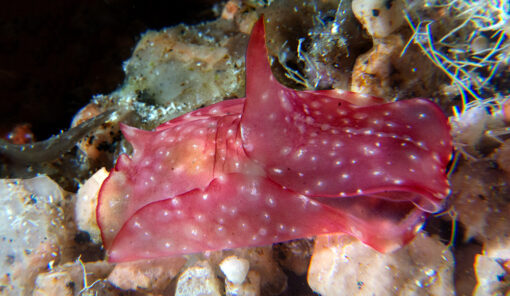
But there are only about 500 shark species worldwide, and over 3,000 nudibranch species (with more discovered every year).
If I’m hunting for something new, the odds are simply better close to the reef. And that sense of discovery still excites me every single dive.
And yet, after all these dives, I still don’t think one type of diving is “better” than the other.
They’re simply different experiences.
Different rhythms. Different ways of looking at the same ocean.
And I’ve seen many divers move between them over the years, sometimes even changing their preferences as they change and grow underwater.
The “advanced class” myth
Macro diving often becomes attractive after a diver has already seen a lot.
When basic survival underwater is no longer a concern. When buoyancy is automatic. When you’re not thinking about your gear every second.
At some point, “lots of fish” is not enough anymore. You start looking for details. For diversity. For the unusual.
But this is not a rule. Some divers fall in love with macro from day one. It simply depends on how your brain is wired.
Skills: buoyancy vs gas consumption
Macro requires almost surgical buoyancy control.
Sometimes you’re hovering 30 cm above sand or reef, staring at something the size of a grain of rice, and you must not touch anything. Not with your fins. Not with your elbow. Not even accidentally.
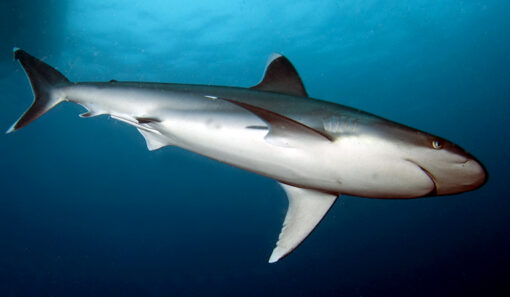
Diving with big animals often demands solid gas management.
In many parts of the world, sharks and mantas are found at depth. You may need to stay there for a while, waiting. Calmly. Without chasing.
Interestingly, both types of diving require good buoyancy and good air consumption. The goals and emphasis just shifts.
Size — and what your eyes are trained to see
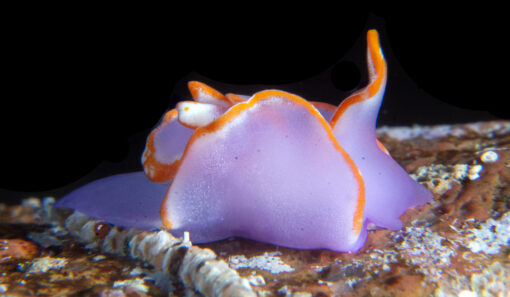
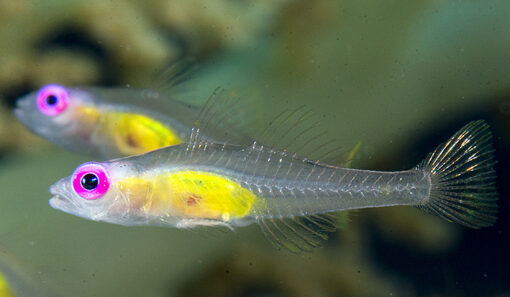
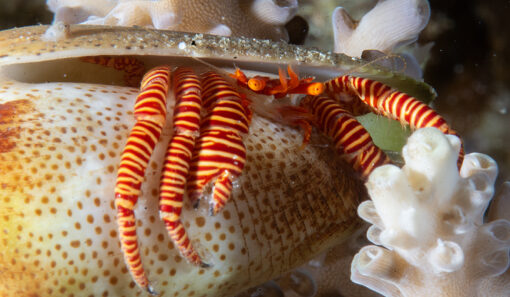
In macro diving, we look for animals 5–6 cm long. Often much smaller.
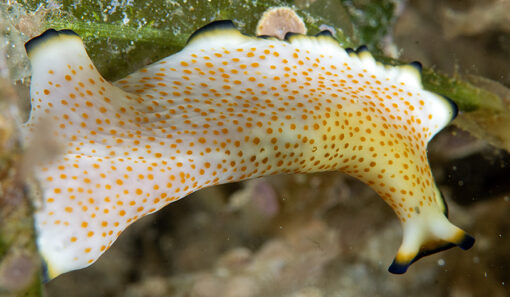
Nudibranchs. Shrimps. Flatworms. Tiny crabs.
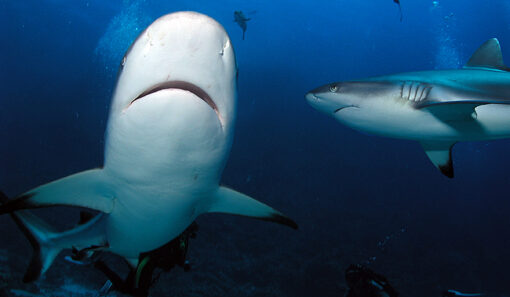
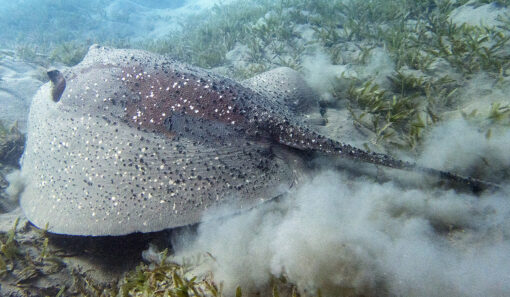
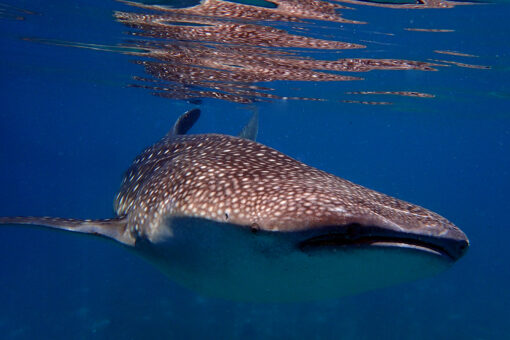
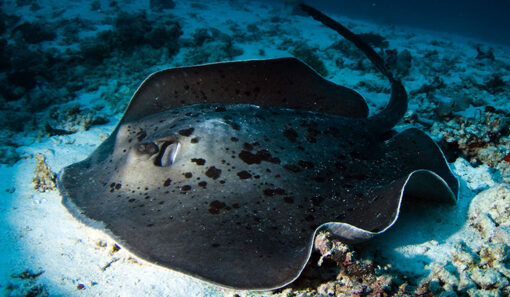
In “big stuff” diving, we wait for sharks, mantas, rays, turtles — sometimes dolphins.
And here’s something I’ve noticed over the years:
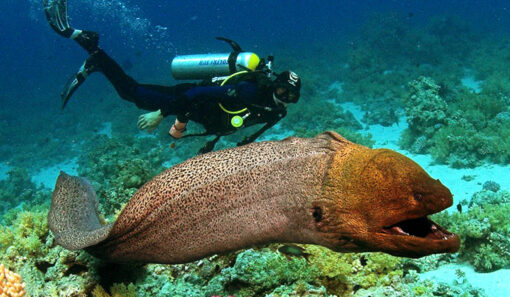
Macro divers may barely notice a turtle swimming past.
Big-animal lovers may completely miss a nudibranch crawling right in front of them.
It’s not about attention. It’s about focus.
Your eyes get trained for a certain scale.
Pace and movement
During a macro dive, you might not move far from the entry point at all.
Seriously. Sometimes an entire dive happens within an area the size of a small room.
You move slowly. Sometimes almost not at all.
Big-animal dives are often different.
You may swim more. Sometimes in blue water. Sometimes against the current. Sometimes quite actively; just to reach the spot where sharks are expected to pass.
That changes gas consumption.
It also changes how cold you feel.
On macro dives, I personally get cold faster. That’s why I dive in a dry suit most of the year — even in the Red Sea.
Preparation before and after
Macro diving often starts long before entering the water.
Divers read forums. Study local species. Make wishlists. Show them to the guide.
And after the dive? The real work begins. Identification. Books. Apps. Discussions.
Big-animal diving relies heavily on a proper briefing.
Understanding positioning. Animal behavior. Timing.
Researching the season is important too: you don’t want to arrive when the main characters have already left the stage.
And about guides
A great macro guide has almost supernatural vision and endless patience.
A great big-animal guide reads currents, understands aggregation points, and knows when to stay still.
Different skills. Different kinds of expertise. Same level of respect.
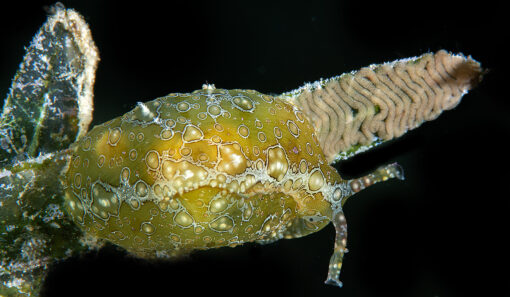
All pictures – Andrey Ryanskiy
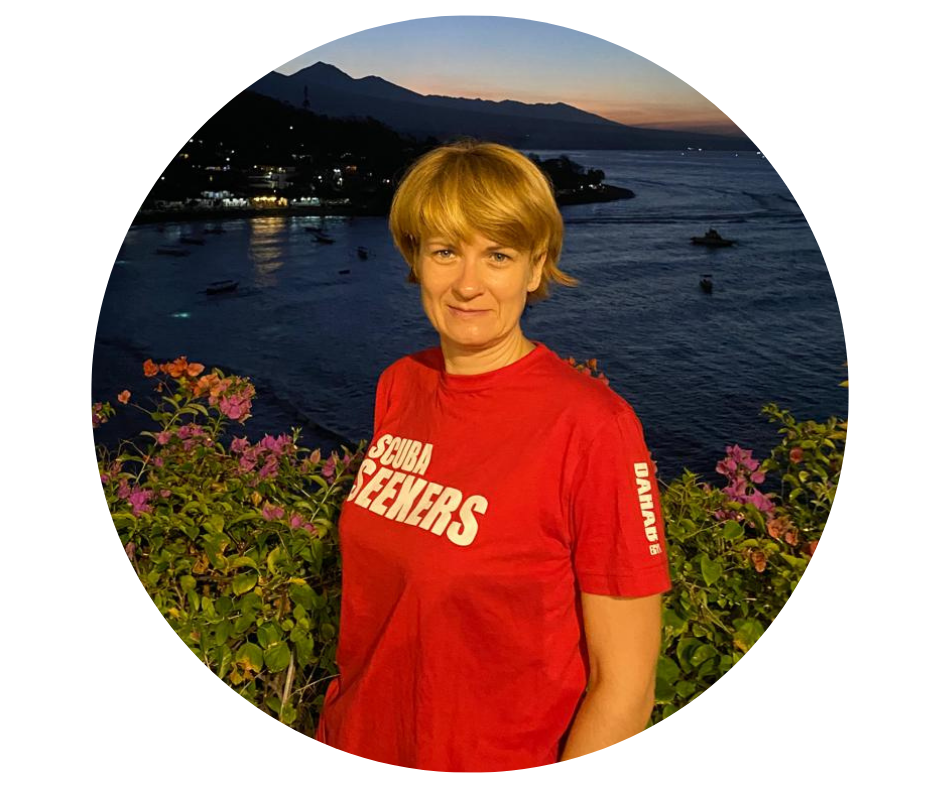
Irina took her first dive in 2003 and has never really surfaced since. An underwater photographer and videographer, she has made more than two thousand dives across Indonesia, the Philippines, the Maldives, and the Red Sea. For the past few years Irina has lived in Sharm El Sheikh with her husband, marine life photographer, and book author Andrey Ryanskiy. Together they explore and film the Red Sea’s hidden macro world – from tiny nudibranchs to rare fish never before recorded in the region. When she’s not under water, Irina runs the social media for Scuba Seekers and helps others discover the small wonders that make diving in Dahab and the Red Sea so addictive in the Facebook group Red Sea Marine Life. You can also follow her and Andrey on Facebook here and here.